Hard to check
You often can’t see the rows or the source until you download it.
Twenty years ago Vu and Vojta built a mobile game together in high school. An exit and a PhD later, Vu met Rob at Marinade and introduced him to Vojta. The three of us teamed up to start Mostly Right in early 2026.

Built 13 dev tools that generated $1M in revenue, enough to bootstrap Avocode. Then took it through 500 Startups to $2M ARR before it was acquired.
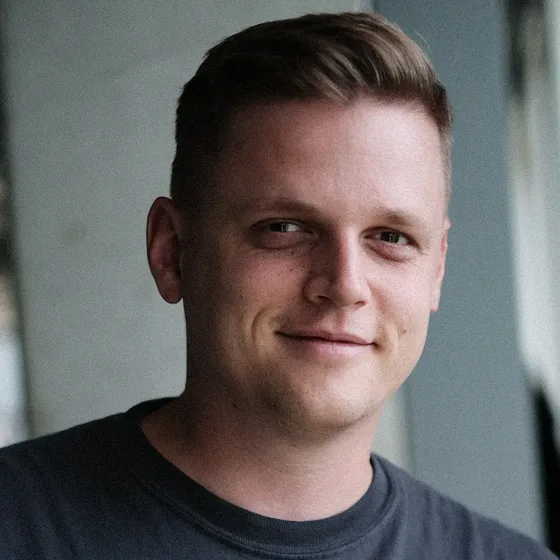
Founded Cinnamon and raised a $3.9M seed for it. Then spent two years leading product at Marinade Finance, where he and Vu first worked together.
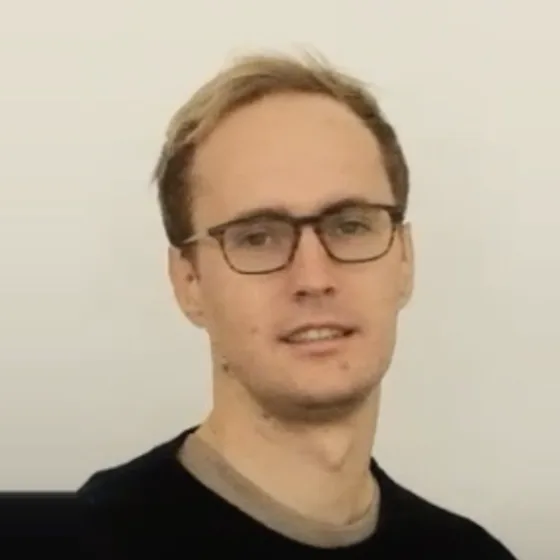
Took a masters at Imperial and a quantum computing PhD at Oxford, and is now at IBM Research. His first-author Nature paper has almost 4,000 citations.


GitHub made code discoverable and the world built on it. We’re doing the same for datasets. Teams find us through the free catalogue, then explore and use the data through one API.
 US Weather Reports and Daily Highs in 20 Cities
 Mostly Right
 Kalshi settlement rules and sources, 2026
 Bobby
Bobby
 Kalshi hourly Bitcoin price order book, live
Mostly Right
Kalshi hourly Bitcoin price order book, live
Mostly Right
 LLM benchmark scores by model, since 2019
Mostly Right
LLM benchmark scores by model, since 2019
Mostly Right
 Hourly rainfall and gauge history, U.S. cities, 2000–2026
Mostly Right
Hourly rainfall and gauge history, U.S. cities, 2000–2026
Mostly Right
 Kalshi 15-minute BTC order book, fresh live
Mostly Right
Kalshi 15-minute BTC order book, fresh live
Mostly Right
 Movies and TV shows with plots, cast and ratings
Mostly Right
Movies and TV shows with plots, cast and ratings
Mostly Right
 Y Combinator company status and Form D filings
Mostly Right
Y Combinator company status and Form D filings
Mostly Right